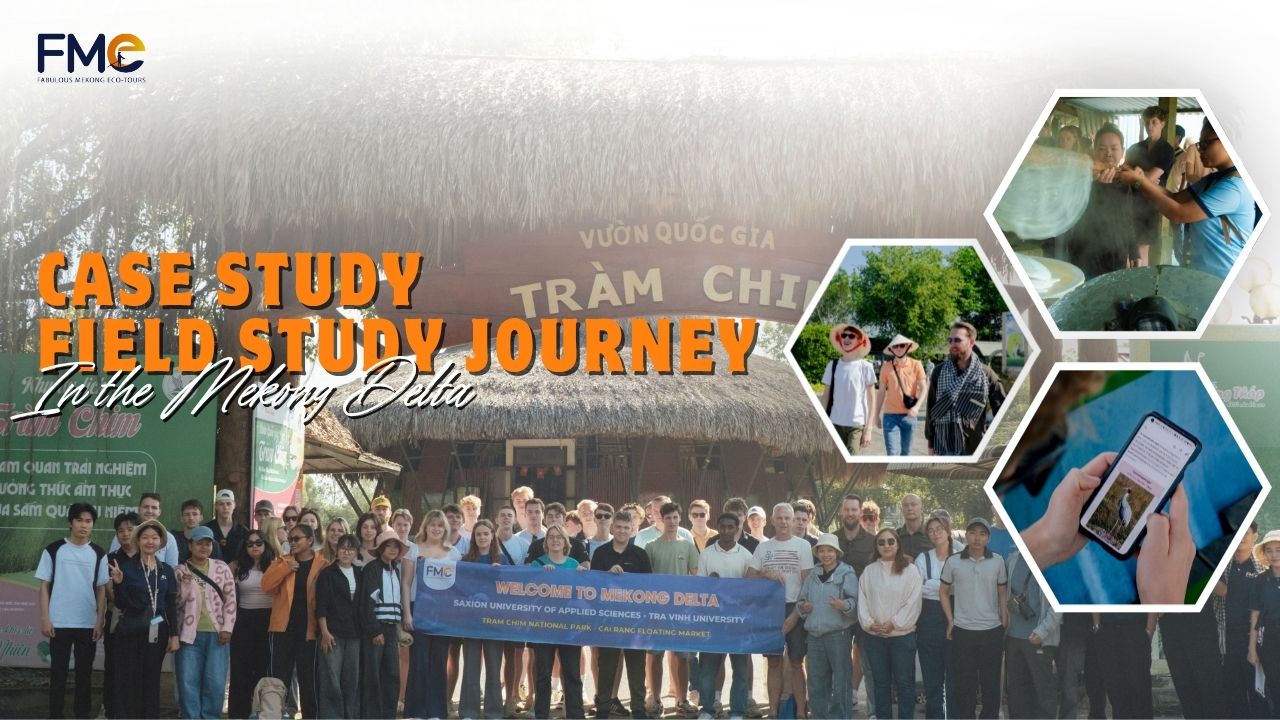
Experiential learning plays an increasingly important role in higher education, especially in fields related to environmental systems, water management, and sustainable development. Field study programs allow students to observe real-world systems and connect theoretical knowledge with practical insights.
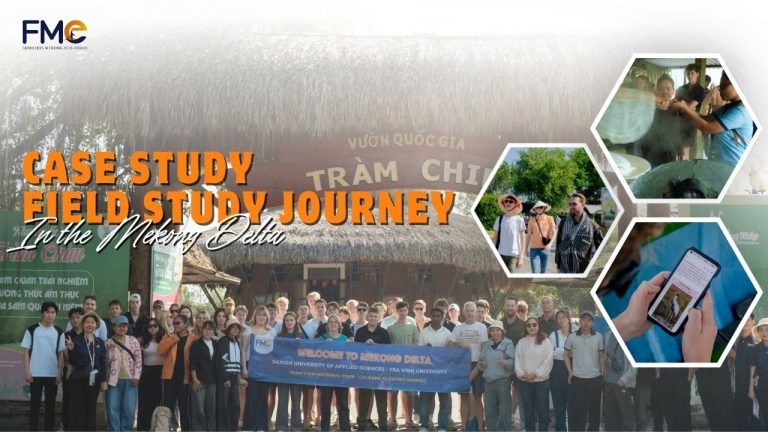
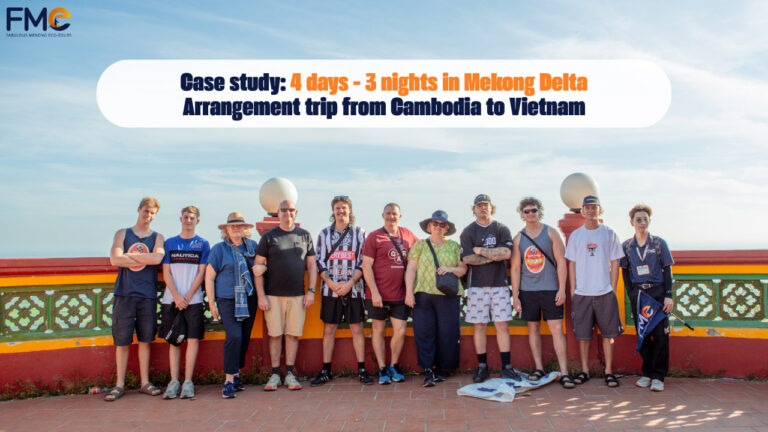
Recently, FME Travel coordinated a 2-day, 1-night field study program in the Mekong Delta for students from Tra Vinh University (Vietnam) and Saxion University of Applied Sciences (Netherlands).
Rather than a traditional sightseeing trip, the program was designed as an experiential learning journey, giving students the opportunity to explore the ecosystems, culture, and river-based economy of the Mekong Delta through direct observation and interaction with local communities.
Program Overview
- Program Type: Field Study / Educational Tour
- Duration: 2 Days – 1 Night
- Participants: Students from Tra Vinh University & Saxion University of Applied Sciences
- Location: Mekong Delta, Vietnam
- Key Destinations: Tram Chim National Park, Cai Rang Floating Market
- Organized by: FME Travel
The program combined environmental observation, cultural exploration, and community interaction, creating a balanced learning experience within a short academic field trip.
Program Design: Learning Through Real Environments
The field study program was designed to bridge the gap between academic knowledge and real-world ecosystems. Two key destinations were selected to provide complementary learning perspectives: a protected wetland ecosystem and a traditional river-based marketplace.
Exploring Wetland Ecosystems at Tram Chim National Park
At Tram Chim National Park, students visited one of the most significant wetland ecosystems in Vietnam and a protected area within the Mekong Delta.
During the visit, students observed various environmental and ecological aspects, including:
- Wetland biodiversity and habitat systems
- Water management in seasonal floodplain ecosystems
- Conservation strategies for protected natural areas
- The relationship between environmental protection and local livelihoods
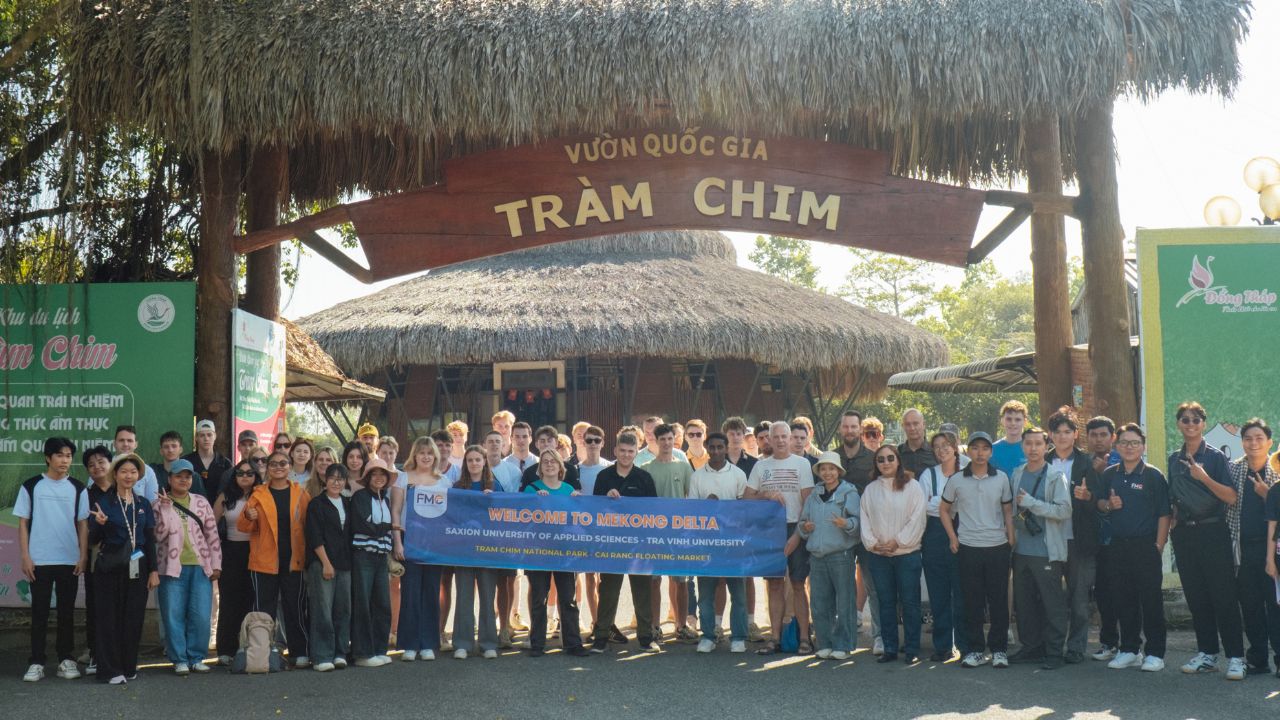
Through direct observation, students gained a deeper understanding of how wetland ecosystems function and how conservation efforts are implemented in practice.
Understanding River-Based Economy at Cai Rang Floating Market
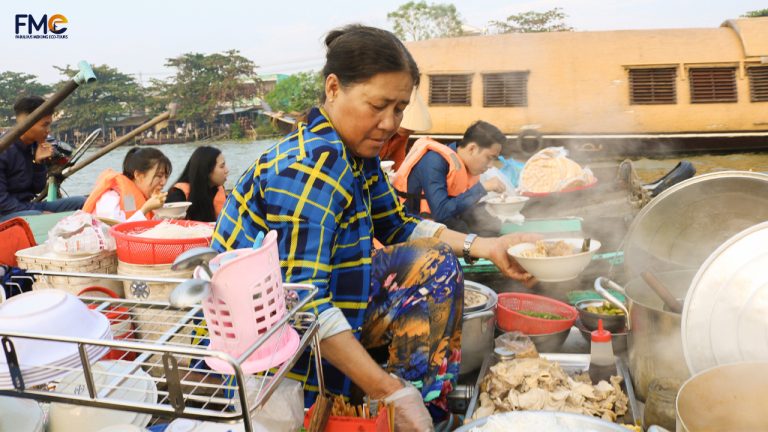
Another key component of the field study was the visit to Cai Rang Floating Market, one of the most well-known floating markets in the Mekong Delta.
Here, students explored the unique river-based economic system that has developed along the Mekong Delta’s extensive network of waterways.
By observing trading activities on boats and interacting with local vendors, students learned how:
- Waterways function as transportation and trade routes
- Floating markets operate as traditional commercial hubs
- River systems influence daily life and economic activities in the region
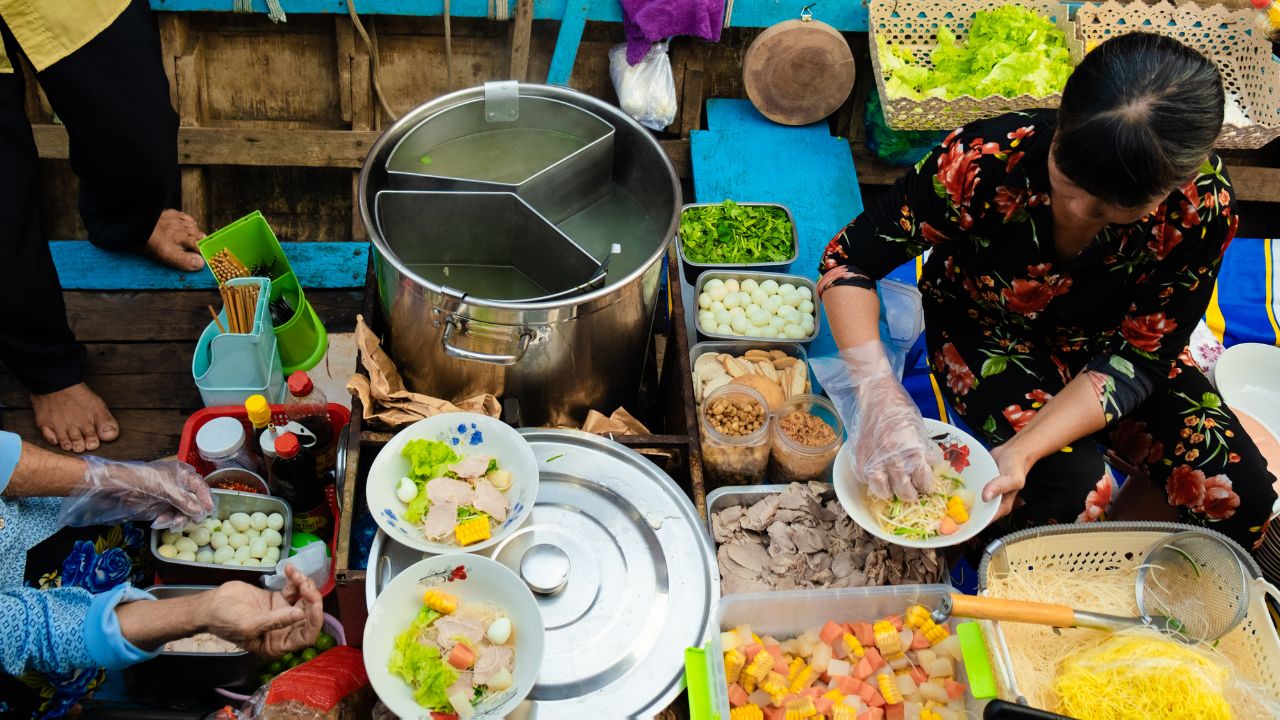
This experience provided valuable insight into how geography and culture shape economic systems in river-based communities.
Experiencing Local Production and Community Tourism
In addition to the main study locations, the program also introduced students to local food production and community-based tourism activities in the Mekong Delta.
These experiences allowed students to observe:
- Traditional food processing methods
- Small-scale local businesses
- Community participation in tourism development
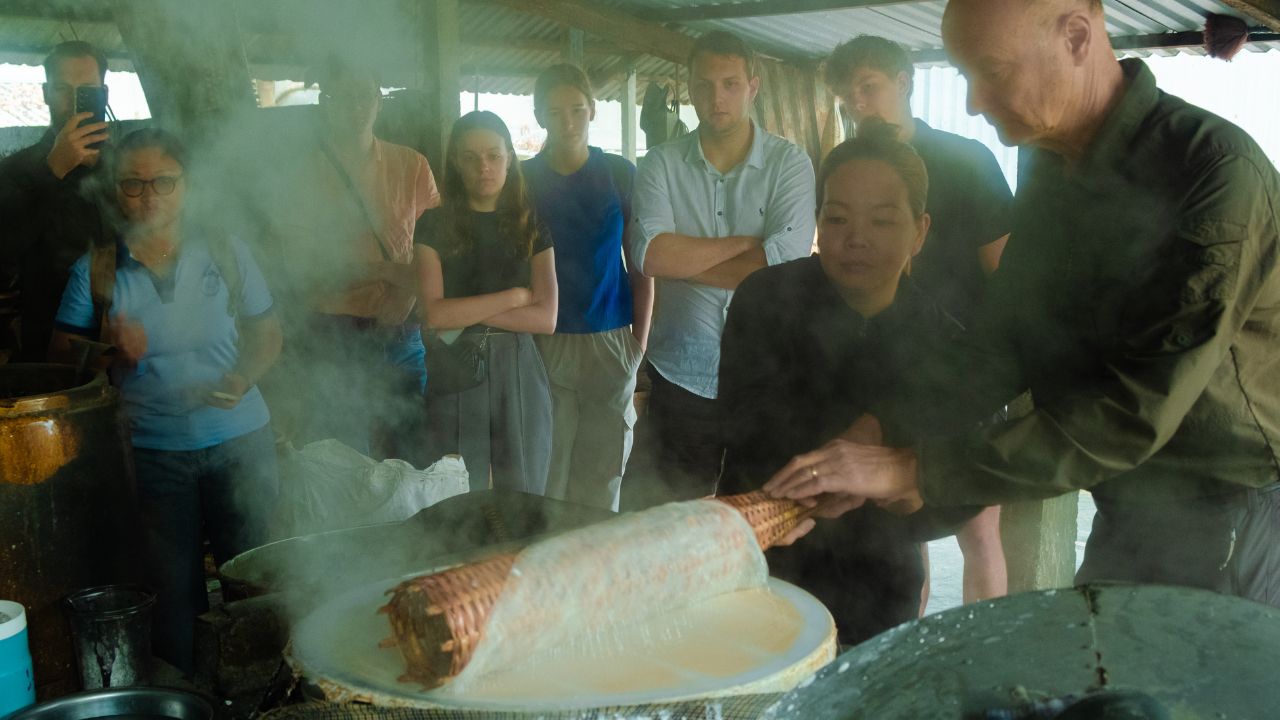
Such interactions helped students gain a broader understanding of everyday life and local economic structures in the region.
Preparation and Coordination
Organizing an international student field study requires careful planning and coordination between tour operators and academic institutions.
To ensure the program ran smoothly, FME Travel worked closely with university coordinators throughout the preparation process.
Site Inspection and Itinerary Planning
Before the program, the FME team conducted site inspections and developed a detailed itinerary designed to balance:
- Academic observation
- Cultural experiences
- Travel logistics and timing
The goal was to create a structured yet flexible schedule suitable for a two-day academic field trip.
Group Coordination and Logistics
With a relatively large student group, transportation, scheduling, and activity coordination were carefully organized.
Clear communication channels were maintained between:
- Tour guides
- Logistics staff
- University coordinators
This ensured that all participants were well informed and that activities proceeded efficiently.
Safety Preparation for Water-Based Activities
Because several program activities involved boat travel, safety preparation was an important priority.
Before each boat journey, the FME team provided safety briefings and ensured appropriate arrangements for water-based transportation, helping maintain a safe and comfortable experience for all participants.
Learning Outcomes for Students
The field study program provided students with valuable real-world exposure, particularly for those studying environmental systems, sustainability, and water resource management.
By observing the wetland ecosystem at Tram Chim National Park and the dynamic trading environment at Cai Rang Floating Market, students were able to connect theoretical concepts with real-life examples.
Throughout the program, many students documented their observations through:
- Photos and videos
- Field notes
- Informal interviews with local people
These materials later supported academic discussions, reports, and assignments related to their studies.
Beyond academic learning, the journey also created opportunities for cultural exchange between Vietnamese and Dutch students, fostering cross-cultural understanding and collaboration.
Operational Insights from the Program
From an organizational perspective, the program reinforced several important practices when managing international educational tours and field study programs.
Key operational insights included:
- Clear confirmation of information for all services and schedule adjustments is essential when coordinating with university partners.
- Strong teamwork among guides, logistics staff, and coordinators ensures smooth communication and efficient program delivery.
- Professional and calm problem-solving helps the team respond effectively to unexpected situations during the trip.
- Close collaboration with university group leaders allows quick decision-making when itinerary adjustments are required.
These practices help ensure that academic field study programs run smoothly while maintaining a productive and positive learning environment for students.
Conclusion
This field study program demonstrated how experiential travel can support academic learning by connecting students with real ecosystems, cultural environments, and local communities.
Through visits to Tram Chim National Park and Cai Rang Floating Market, students gained deeper insights into the Mekong Delta’s:
- Wetland ecological systems
- River-based economic activities
- Cultural traditions and community life
With extensive experience organizing educational tours and field study programs in the Mekong Delta, FME Travel works closely with universities to design customized itineraries that combine academic learning with authentic local experiences.
Universities planning study trips, research visits, or academic field courses in Vietnam can collaborate with FME Travel to develop field study programs tailored to their specific academic objectives.